

Caring for an aging parent or relative brings real challenges, and the top 10 common elder care problems at home tend to repeat across almost every family: falls, medication mix-ups, isolation, and more. Recognizing these top 10 common elder care problems at home early is the difference between a manageable adjustment and a hospital emergency. This guide breaks down each problem with current research, warning signs, and practical fixes families can start using today.
Why Elder Care Problems at Home Deserve Urgent Attention
Aging in place is what most older adults want, but home is only safe when common risks are actively managed. Falls are the leading cause of injury for adults ages 65 and older, and over 14 million — about one in four older adults — report falling every year. In 2024, 43,020 people aged 65 and older died as a result of preventable falls, and fall-related deaths in this age group have climbed 51% over the past decade.
Falls are just one item on a longer list. From missed medications to quiet depression, most elder care problems at home are predictable, well-documented, and — most importantly — preventable with the right awareness and routines.
Quick-Reference Table: The Top 10 Elder Care Problems at Home
| Sr.no | Problem | Primary Risk | Fastest First Step |
|---|---|---|---|
| 1 | Falls & mobility loss | Fractures, hospitalization | Remove trip hazards, install grab bars |
| 2 | Medication mismanagement | Overdose, drug interactions | Use a pill organizer or medication app |
| 3 | Malnutrition & dehydration | Weakness, hospitalization | Track meals and fluid intake |
| 4 | Social isolation & loneliness | Depression, dementia risk | Schedule regular visits or calls |
| 5 | Cognitive decline & memory loss | Wandering, unsafe decisions | Cognitive screening, home safety checks |
| 6 | Poor hygiene & bathing difficulty | Skin infections, embarrassment | Install bathroom safety equipment |
| 7 | Chronic disease mismanagement | Complications, ER visits | Coordinate with a primary care doctor |
| 8 | Depression & mental health decline | Withdrawal, suicide risk | Screen for mood changes regularly |
| 9 | Financial vulnerability & scams | Fraud, elder financial abuse | Set up account monitoring or a trusted contact |
| 10 | Caregiver burnout | Neglect, family conflict | Arrange respite care and support |
Each of these is explored in detail below, with data, warning signs, and concrete solutions.
1. Falls and Mobility Loss

Falls are the single most dangerous everyday risk for older adults living at home. About 37% of older adults who fall report an injury requiring medical treatment or activity restriction of at least one day, adding up to roughly nine million fall injuries a year. Yet fewer than half of older adults who fall actually tell their doctor about it — and falling once doubles the chance of falling again.
Common causes: poor lighting, loose rugs, cluttered walkways, weak leg muscles, poor balance, vision changes, and side effects from medication.
What helps:
- Install grab bars in bathrooms and handrails on both sides of staircases
- Remove or tape down rugs, cords, and clutter from walking paths
- Improve lighting in hallways, stairs, and bathrooms, including night-lights
- Encourage supportive, non-slip footwear indoors
- Ask a doctor for a fall-risk assessment, especially after any previous fall
Falls are also expensive and disproportionately affect the oldest seniors. Between 2003 and 2023, fall death rates rose by more than 70% for seniors aged 65 to 74, more than 75% for those aged 75 to 84, and more than doubled for adults 85 and older. This means fall prevention isn’t a one-time home fix — it’s an ongoing priority that becomes more urgent with each passing year of age.
2. Medication Mismanagement
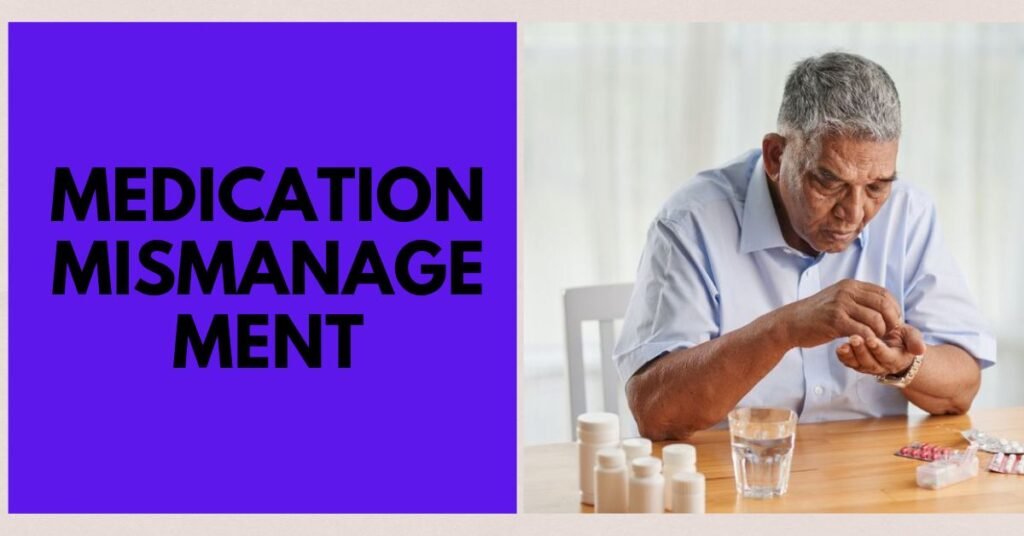
Older adults often manage multiple prescriptions from different doctors, and mixing them up is one of the most common — and dangerous — elder care problems at home. Missed doses, double doses, and drug interactions are frequent causes of emergency room visits among seniors.
Warning signs to watch for:
- Pills left in the organizer at the end of the day
- Confusion about which medication treats what
- Running out of a prescription early or having leftover pills at refill time
- New symptoms after starting a medication (dizziness, confusion, nausea)
Practical fixes:
- Use a weekly or monthly pill organizer with clearly labeled compartments
- Keep one master medication list, updated after every doctor visit
- Ask the pharmacist to review the full medication list for interactions
- Consider a medication reminder app or automatic pill dispenser
- Schedule a “brown bag” review — bring every bottle to one appointment for the doctor to check together
3. Malnutrition and Dehydration

Poor nutrition is easy to miss because it develops gradually. Reduced appetite, difficulty cooking, trouble chewing, and a diminished sense of taste or smell all contribute to seniors eating less than they need.
| Warning Sign | What It May Indicate |
|---|---|
| Unexplained weight loss | Malnutrition, underlying illness |
| Little or expired food in the fridge | Difficulty shopping or cooking |
| Skipping meals or eating the same thing daily | Loss of appetite or motivation |
| Frequent headaches or confusion | Dehydration |
| Dry mouth, dark urine | Dehydration |
Solutions:
- Arrange grocery delivery or meal-delivery services for seniors
- Encourage small, frequent, protein-rich meals rather than three large ones
- Keep a visible water bottle or pitcher nearby as a hydration reminder
- Involve a caregiver or family member in meal prep a few times a week
- Ask a doctor about a referral to a dietitian if weight loss continues
4. Social Isolation and Loneliness
This is one of the most underestimated elder care problems at home, and also one of the most dangerous to long-term health. Approximately one-quarter of community-dwelling Americans aged 65 and older are considered socially isolated, and social isolation has been associated with roughly a 50% increased risk of developing dementia.
The health impact goes well beyond mood. Among heart failure patients, loneliness has been linked to a nearly four-times increased risk of death, a 68% increased risk of hospitalization, and a 57% increased risk of emergency department visits. Separately, large-scale research has found loneliness increases the risk of Alzheimer’s disease by 14%, vascular dementia by 17%, and general cognitive impairment by 12%, independent of depression or isolation alone.
Ways to reduce isolation:
- Schedule regular, predictable visits or phone/video calls
- Encourage participation in a local senior center, faith community, or hobby group
- Consider a companion caregiver for a few hours a week
- Help set up simple technology (video calling, social media) to stay connected with family
5. Cognitive Decline and Memory Loss
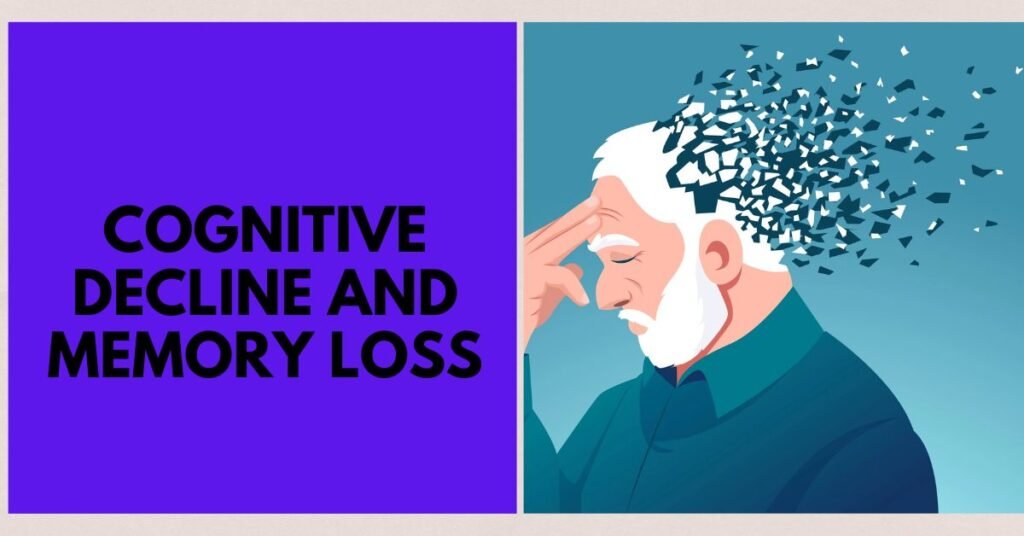
Occasional forgetfulness is normal aging. Repeated confusion about time, place, or familiar tasks is not. Cognitive decline at home creates safety risks — from leaving the stove on to wandering outside unsupervised — that families often notice only after a scare.
Signs that warrant a medical evaluation:
- Getting lost in familiar places
- Forgetting the names of close family members
- Difficulty following conversations or instructions
- Leaving appliances on or doors unlocked repeatedly
- Poor judgment about money or safety
Home strategies:
- Establish consistent daily routines to reduce confusion
- Use labels, calendars, and visual reminders around the house
- Install door and stove alarms if wandering or forgetting appliances is a concern
- Request a formal cognitive screening from a primary care physician
- Explore local dementia support programs for both the patient and caregiver
6. Poor Hygiene and Bathing Difficulty

Bathing is one of the first daily activities to become unsafe as mobility and balance decline, and it’s also one of the most sensitive to bring up. Slippery tubs, difficulty stepping over the edge, and fear of falling often lead seniors to skip bathing altogether, which can result in skin breakdown, infections, and social withdrawal.
Practical home modifications:
- Install grab bars, a shower chair, and a hand-held showerhead
- Use non-slip mats inside and outside the tub or shower
- Consider a walk-in shower or tub conversion for long-term safety
- Arrange in-home caregiver assistance for bathing if independence is no longer safe
7. Chronic Disease Mismanagement
Conditions like diabetes, high blood pressure, heart disease, and arthritis require consistent daily management. When these conditions are poorly controlled at home, the result is often a preventable hospitalization.
| Chronic Condition | Home Management Risk | Key Monitoring |
|---|---|---|
| Diabetes | Missed insulin, poor diet tracking | Blood sugar checks, meal timing |
| Hypertension | Skipped medication, high-sodium diet | Regular blood pressure checks |
| Heart disease | Fluid retention, missed symptoms | Daily weight, symptom log |
| Arthritis | Reduced mobility, pain avoidance | Gentle movement, pain management plan |
How families can help:
- Keep a shared symptom and vitals log between visits
- Attend doctor appointments together to reinforce instructions
- Set medication and monitoring reminders (blood pressure, blood sugar)
- Watch for the specific warning signs tied to each diagnosed condition
8. Depression and Mental Health Decline
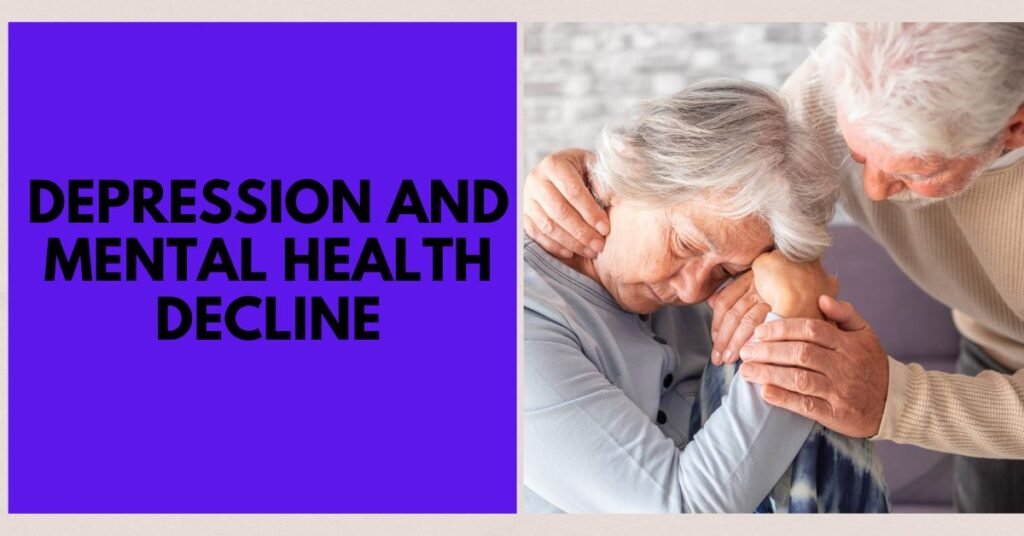
Depression in older adults is frequently mistaken for “normal aging” and goes untreated far more often than it should. It’s closely tied to several other problems on this list — isolation, chronic illness, and loss of independence all increase risk.
Signs of depression in seniors:
- Persistent sadness, hopelessness, or irritability
- Loss of interest in hobbies or activities once enjoyed
- Sleep changes — sleeping far more or far less than usual
- Withdrawing from family, friends, or previously loved routines
- Talking about being a burden or expressing a wish to “not be around”
If a loved one expresses thoughts of self-harm or suicide, treat it as urgent. Contact the 988 Suicide & Crisis Lifeline (call or text 988 in the U.S.) or go to the nearest emergency room immediately.
Support strategies:
- Bring up mood changes directly and gently with their doctor
- Ask about a referral to a geriatric mental health specialist
- Encourage physical activity and social engagement, both linked to improved mood
- Watch for depression alongside physical illness — the two often overlap
9. Financial Vulnerability and Scams

Older adults are frequently targeted by phone, mail, and online scams, and cognitive changes can make it harder to recognize manipulation. Elder financial abuse is also, unfortunately, sometimes committed by family members or caregivers.
Warning signs of financial exploitation:
- Unusual or unexplained bank withdrawals
- Unpaid bills despite adequate income
- New “friends” or unfamiliar names added to accounts or wills
- Confusion about recent purchases or missing belongings
- Reluctance to discuss finances with trusted family
Protective steps:
- Set up a trusted contact on bank and investment accounts
- Enable transaction alerts for unusual account activity
- Register the phone number with the National Do Not Call Registry
- Review mail and statements together periodically
- Report suspected scams to the FTC or local Adult Protective Services
10. Caregiver Burnout
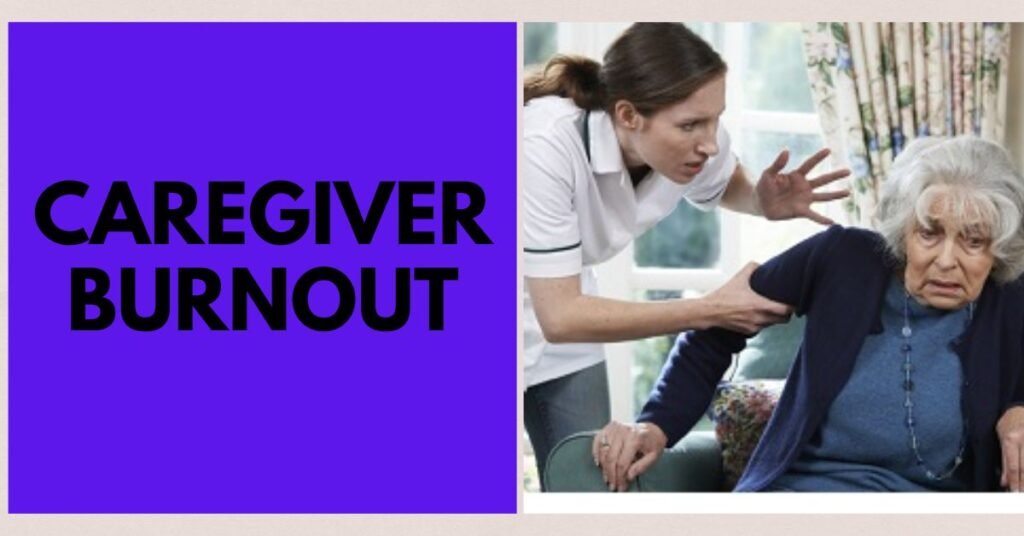
The final entry on this list isn’t about the older adult directly — it’s about the person caring for them. Caregiver burnout is one of the most common reasons elder care at home breaks down, and it directly affects the quality of care an older adult receives.
Signs of caregiver burnout:
- Chronic exhaustion, even after rest
- Increasing irritability or resentment toward the care recipient
- Neglecting personal health, appointments, or relationships
- Feeling constantly overwhelmed or hopeless about the caregiving role
How to prevent burnout:
- Arrange regular respite care, even a few hours a week
- Join a caregiver support group, in person or online
- Share responsibilities with other family members where possible
- Don’t skip your own medical appointments and mental health check-ins
- Consider a professional home care aide for part-time support
When It’s Time to Consider Additional Support
Not every elder care problem can be solved with home modifications alone. It may be time to explore in-home professional care, adult day programs, or assisted living if you notice:
- Multiple falls within a short period
- Rapid, unexplained weight loss
- A chronic condition that keeps landing the person in the ER
- Signs of moderate-to-severe cognitive decline
- Caregiver exhaustion that isn’t improving with support
Monthly Elder Care Home Safety Checklist
Use this checklist as a recurring monthly review rather than a one-time task — most elder care problems at home develop gradually, so a regular check-in catches issues before they become emergencies.
- Walk through every room checking for trip hazards, loose rugs, and clutter
- Confirm all prescriptions match the current master medication list
- Check the refrigerator and pantry for spoiled, expired, or missing food
- Ask directly about pain, mood, sleep, and any new physical symptoms
- Review bank statements together for unusual or unexplained charges
- Confirm smoke detectors, carbon monoxide detectors, and emergency contacts are current
- Check in on the caregiver’s own stress level and need for support
- Note any recent falls, near-falls, or new confusion, even minor ones
Frequently Asked Questions
What is the most common elder care problem at home?
Falls are the single most common and dangerous problem, affecting roughly one in four adults aged 65 and older every year and serving as the leading cause of both fatal and nonfatal injury in this age group.
How can I tell if an aging parent needs more help at home?
Watch for a pattern rather than a single incident: repeated falls, missed medications, weight loss, an unusually messy home, unpaid bills, or withdrawal from social activities are all signals that current support isn’t enough.
Is loneliness really a health risk for older adults?
Yes. Research links social isolation in older adults to a significantly higher risk of dementia, heart disease complications, and earlier death — the effect size is comparable to well-known risks like smoking or high blood pressure.
How do I bring up safety concerns without upsetting my parent?
Focus on specific, observed incidents rather than general judgments, involve them in choosing solutions, and consider looping in a trusted doctor, who can frame safety recommendations as medical advice rather than a family opinion.
What’s the difference between normal aging and a warning sign?
Occasional forgetfulness, mild fatigue, or needing more time for tasks can be normal. Repeated confusion, sudden mood changes, unexplained injuries, or an inability to manage daily tasks safely are not — these warrant a medical evaluation.
Key Takeaways
- Falls, medication errors, and malnutrition are the most physically dangerous elder care problems at home, and all three are largely preventable with simple changes.
- Loneliness and depression are frequently overlooked but carry serious, well-documented health consequences.
- Financial scams and caregiver burnout round out the list — both are avoidable with the right systems and support in place.
- Most problems on this list develop gradually. Regular check-ins, not just crisis response, are what catch them early.
You may also like : Home Healthcare in India, Female Healthcare Attendant at Home, Male Healthcare Attendant at Home, Female Healthcare Attendant at Home in Delhi, Female Healthcare Attendant at Home in Noida, Female Healthcare Attendant at Home in Guragon, Male Healthcare Attendant at Home, Male Healthcare Attendant at Home in Delhi, Male Healthcare Attendant at Home in Noida
